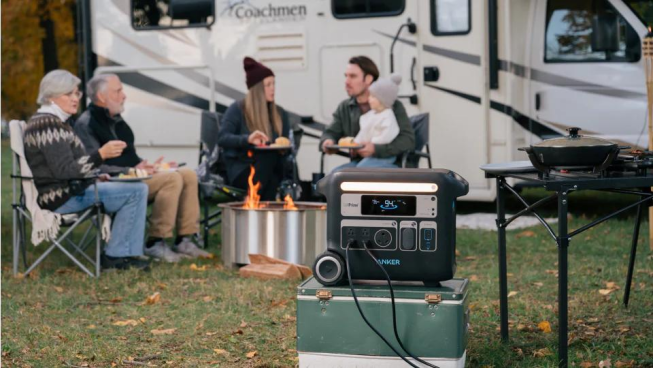
Staying powered while camping no longer means relying on noisy generators or frequent campground hookups. Solar panels have become a practical solution for both RV travelers and backpackers who want clean, reliable energy on the road or trail. However, the needs of an RV setup differ greatly from those of a lightweight backpacking trip. Understanding how solar panels fit into each style of camping helps you choose the right gear and get the most out of your outdoor experience.
How to Choose the Right Camping Solar Panels for RVs and Backpacking?
Although RV camping and backpacking share the same goal—off-grid power—their solar panel requirements vary significantly. Here’s how to choose wisely for each scenario.
Understanding Power Needs for RV Camping
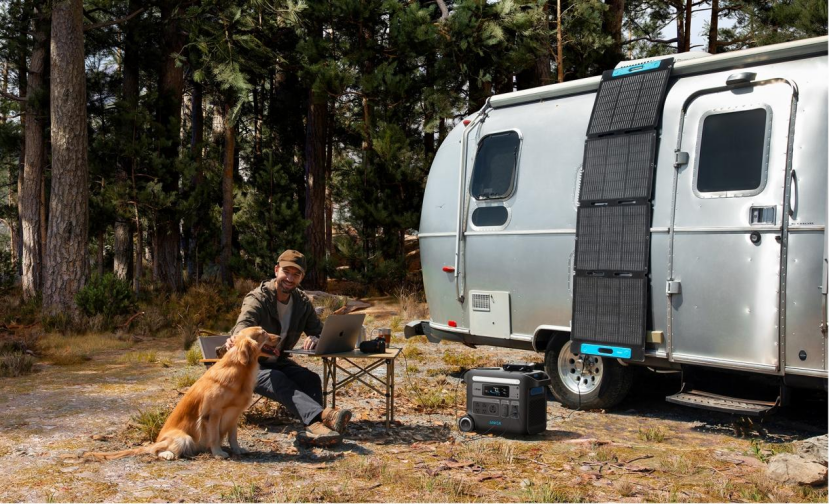
RVs typically require much more power than backpacking setups. Common loads include refrigerators, lights, fans, water pumps, laptops, and sometimes air conditioners. For these demands, higher-wattage solar panels are essential. Panels in the 100W–400W range are often used to keep RV batteries or portable power stations charged throughout the day. Foldable high-output panels, such as the Anker SOLIX PS200 or PS400, are ideal for RV use because they deliver strong performance without requiring permanent roof installation.
Solar Panel Size and Portability Trade-Offs
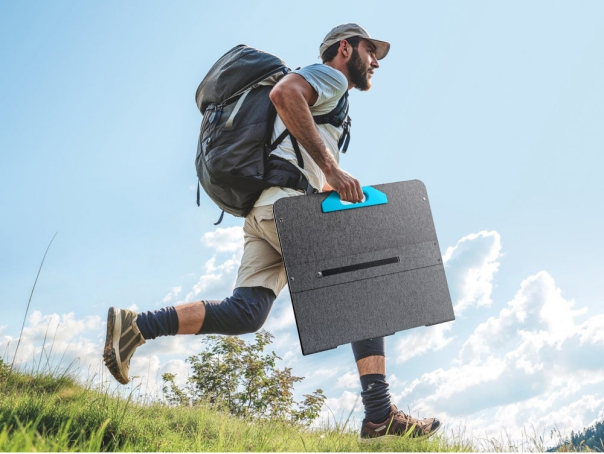
Backpacking places a premium on weight and pack size. Solar panels for backpackers must be lightweight, compact, and easy to carry. Smaller panels in the 20W–30W range are typically enough to charge phones, GPS devices, headlamps, and power banks. Panels like the Anker SOLIX PS30 focus on portability and direct device charging, making them ideal for hikers who need dependable power without extra bulk.
Battery Pairing and Energy Storage
Solar panels are most effective when paired with batteries or power stations. RV campers often use larger portable power stations with expandable battery capacity to store energy for nighttime use. Backpackers, on the other hand, usually pair small panels with compact power banks. Ensuring compatibility between panels and batteries is key to efficient charging and minimal energy loss.
The Setup Flexibility at Camp
RVs benefit from panels that can be deployed quickly and repositioned throughout the day. Foldable panels with adjustable angles allow RV campers to chase the sun without moving the vehicle. Backpackers need even more flexibility—panels that can be laid flat, leaned against rocks, or clipped to packs while resting offer the best convenience.
Weather Resistance and Durability
Camping exposes solar panels to dust, rain, and changing conditions. Durable construction and weather-resistant ratings are essential for both RV and backpacking use. Panels designed for outdoor environments, such as Anker SOLIX solar panels, are built to withstand rough handling and unpredictable weather, ensuring consistent performance over time.
Efficiency in Limited Sunlight
Backpacking often takes place in shaded forests or mountainous terrain. High-efficiency monocrystalline panels perform better in partial sunlight, making them a smart choice when sun exposure isn’t guaranteed. RV campers may enjoy open sunlight more often, but efficiency still matters for faster charging and shorter setup times.
Ease of Transport and Storage
Space matters in both RVs and backpacks. Foldable designs simplify storage and reduce clutter. For RVs, compact panels free up interior space, while for backpackers, slim folding panels fit easily into packs without sacrificing other essentials.
Matching the Panel to Your Camping Style
There’s no one-size-fits-all solution. RV travelers benefit from higher-output panels that support extended stays, while backpackers should prioritize lightweight designs and simplicity. A balanced panel solar camping choice ensures your gear supports your travel style rather than limiting it.
Conclusion
Solar panels are a versatile and eco-friendly solution for both RV camping and backpacking, but choosing the right type makes all the difference. RV setups benefit from higher-wattage, foldable panels that recharge large batteries, while backpackers need lightweight, compact panels for essential device charging. By considering power needs, portability, durability, and efficiency, you can build a solar setup that fits your adventure style.