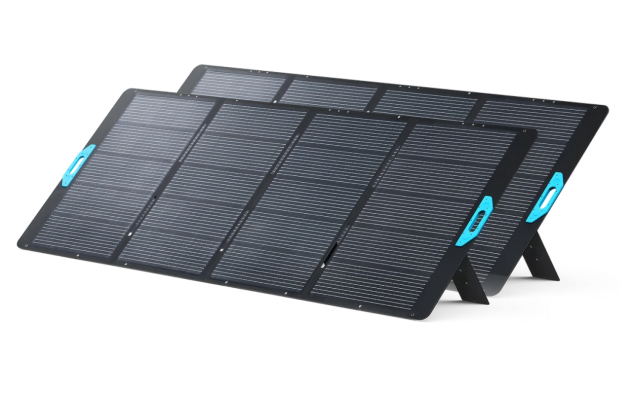
Home solar panels reshape household risk management by changing how families think about power reliability, daily consumption, and long-term resilience. When a home begins to generate its own electricity, risk no longer depends entirely on the grid. Instead, homeowners evaluate weather patterns, equipment performance, and energy timing. This shift sounds technical, but the impact is very human: energy becomes something you monitor, anticipate, and actively manage. Portable tools reinforce this mindset. A user who unfolds an Anker SOLIX PS400 Portable Solar Panel sees how angle, shade, and sky conditions influence output. These observations directly translate into smarter decision-making when planning a full panels solar home system.
How Solar Panels Change Risk Awareness in Daily Routines?
Homeowners Monitor Energy Conditions More Closely
Solar power encourages families to pay attention to factors they once ignored, such as hours of peak sunlight, seasonal variations, and shading from trees. This awareness becomes part of daily risk management because power availability feels more dynamic than a fixed utility supply. People notice how their panels respond on different days and adjust expectations accordingly. A portable option like the PS400 makes this learning curve clearer. When someone changes the panel’s angle or moves it toward brighter areas, the difference in output teaches them how sensitive photovoltaic systems are to environmental changes. This hands-on understanding reduces uncertainty because users begin to predict how their rooftop array will behave under similar conditions.
Production Variability Encourages Better Planning
Solar systems introduce variability, so households begin adjusting their routines to manage it. High-demand chores—laundry, charging devices, running tools—get scheduled during strong sunlight hours, while lighter loads shift into the evening. This adaptive planning reduces the risk of energy shortfalls and makes daily consumption more intentional. The PS400 reinforces these habits because users immediately see how cloud cover or time of day influences charging speed. Observing these fluctuations in real time helps homeowners form realistic expectations about their main system’s output. As a result, planning becomes more data-driven and less reactive, strengthening the home’s ability to cope with unpredictable energy conditions.
Backup Thinking Becomes a Built-In Habit
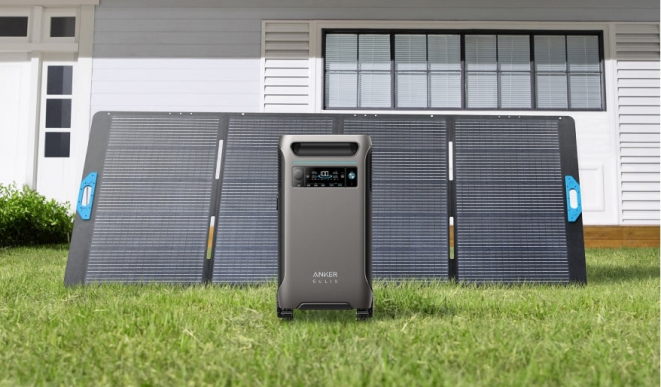
Adding solar nudges homeowners to consider backup options earlier and more consistently. People begin asking: What happens on a long cloudy stretch? Do we need storage? Should we create layered backup tools for emergencies? Portable panels make this mindset more natural. When users pair the PS400 with a power station during camping or outages, they see how backup generation works in real-life scenarios. This experience translates into stronger risk-management behavior at home. It moves energy preparedness from “optional” to “expected,” ensuring that small gaps in production do not lead to large disruptions in daily life.
How Solar Panels Strengthen Long-Term Household Resilience?
Investment Decisions Shift Toward Reliability and Control
Solar ownership pushes families to evaluate long-term risks differently. Instead of relying solely on the grid, they now consider energy independence, equipment durability, and expected performance over decades. This shift reduces dependence on external systems but increases reliance on personal choices. A portable panel like the PS400 illustrates the value of control: its adjustable angles and reliable monocrystalline cells show how design decisions influence output. When homeowners experience that level of adaptability firsthand, they begin applying the same standards to their larger system. They choose components, installation angles, and maintenance routines that minimize long-term vulnerability.
Environmental Variations Become Manageable Rather Than Stressful
Weather events—once negligible from an energy perspective—now play a central role in risk management. Homeowners track cloudy periods, heat waves, and winter sunlight hours because these conditions affect production. Instead of resisting uncertainty, solar owners learn to manage it. Portable panels help build this confidence. The PS400 continues generating power even in mixed conditions, thanks to its efficient cell design and light-trapping surface. Users see that low-light performance is possible, and this reduces anxiety about variability. With practice, families treat weather as a planning factor rather than an unpredictable threat, improving household resilience overall.
Practical Preparedness Expands Beyond Energy
Once a home manages its own electricity generation, awareness often extends to broader preparedness. Families become more conscious of emergency kits, water storage, communication tools, and backup lighting. Solar ownership normalizes the idea of having fallback options. Portable equipment fits easily into this mindset. The PS400, with its waterproof IP67 protection and foldable design, becomes a dependable part of emergency planning. It provides reassurance in situations where grid failures or storms might otherwise cause stress. By integrating solar into their preparedness routines, homeowners reduce risk across multiple dimensions, not just energy supply.
Conclusion
Solar panels transform household risk management by shifting families from passive energy users to active energy planners. They encourage closer monitoring of environmental conditions, more intentional scheduling of consumption, and greater attention to backup solutions. Portable tools such as the Anker SOLIX PS400 Portable Solar Panel reinforce these skills by making solar behavior visible and understandable in everyday use. Over time, homeowners become more resilient and less dependent on external systems. They treat energy availability as something they can shape, adapt to, and prepare for. This mindset reduces uncertainty and strengthens long-term stability, making solar not just an energy upgrade but a meaningful improvement in household risk readiness.