
Reliable electricity is one of the most important parts of any productive worksite, especially when the location is far from traditional grid access. Construction areas, outdoor repair zones, mobile workshops, and temporary field stations all depend on consistent power for tools, lighting, and communication devices. Without proper planning, workers may face downtime, safety risks, and equipment damage caused by unstable or insufficient energy sources. Modern portable energy systems make off-grid power more accessible, quieter, and safer than older fuel-based options. Understanding how to size, choose, and manage a power setup ensures both efficiency and long-term reliability. In this article, practical steps are outlined to help create a dependable off-grid power system for real-world job sites.

1. Calculate Your Power Needs
Every successful off-grid setup starts with knowing exactly how much electricity the worksite requires. Power ratings listed in watts units on tools and equipment labels provide the baseline for estimating total demand. Adding together the running wattage of devices such as drills, saws, lights, and chargers gives a clear picture of daily consumption. It is also important to account for surge power, since many tools briefly draw more electricity when starting up. Work schedules influence energy planning as well, because intermittent use differs greatly from continuous operation. Careful calculation prevents underpowered systems that trip overload protection or overpowered systems that waste money and capacity.
2. Choose Your Power System
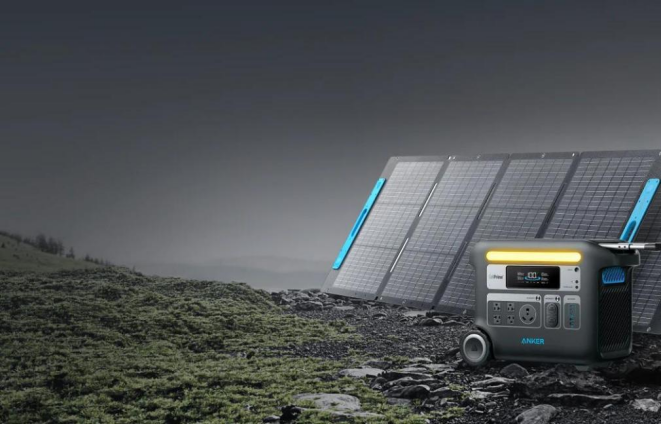
Choosing the right power source is crucial for a worksite’s daily productivity. Portable power stations have emerged as a quiet, clean alternative to traditional fuel generators, particularly where noise, fumes, or space are limiting factors. With high-capacity lithium batteries and robust AC outputs, these systems can run multiple tools reliably and quietly. For instance, portable power stations like those in the Anker SOLIX series offer substantial storage and stable output, making them suitable for heavy-duty tools as well as sensitive electronics. Many also feature solar charging capabilities, allowing crews to extend operation during long projects without depending on fuel or the grid.
3. Follow Safety Protocols
Use outdoor-rated, waterproof gear
Outdoor worksites expose electrical systems to dust, moisture, and temperature changes that can damage equipment. Using cables and connectors rated for outdoor use reduces the risk of short circuits and insulation breakdown. Waterproof covers and elevated placement protect power stations and extension points from puddles or rain. Ground-fault protection is especially important when tools operate on damp surfaces or near water sources. Regular visual checks help identify cracked insulation or loose connections before they become hazards. Safe gear choices greatly lower the chance of electric shock and equipment failure.
Prevent overloading and short circuits
Overloading occurs when total connected devices draw more power than the system can safely supply. Built-in protection circuits help, but careful load management remains essential for preventing shutdowns and overheating. Distributing high-wattage tools across different output ports can balance demand more effectively. Avoiding damaged cords and using the correct cable thickness reduces resistance and excess heat buildup. Short circuits often result from pinched wires or exposed conductors touching metal surfaces. Routine inspections and mindful cable routing significantly reduce these risks.
4. Set Up for Efficiency
Place solar panels in full sun
Solar panels perform best when exposed to direct sunlight without shadows from trees, vehicles, or equipment. Even partial shading on a small section can reduce the output of the entire panel array. Angling panels toward the sun improves energy harvest during different times of day. Keeping the surface clean from dust and debris ensures maximum light absorption. Secure mounting prevents wind from shifting panels and changing their angle. Efficient placement increases charging speed and extends usable power hours.
Keep cables organized and dry
Cable management is often overlooked but plays a major role in safety and efficiency. Tangled cords can create tripping hazards and increase wear on insulation. Using cable ties or reels keeps pathways clear and work areas more professional. Elevating connections off the ground protects them from water and mud. Clearly labeling extension lines helps crews quickly identify power routes. Organized cables also make troubleshooting faster if an issue arises.
5. Monitor and Maintain
Check battery and connections daily
Daily inspections ensure the power system remains reliable throughout the project. Battery levels should be reviewed each morning and evening to confirm adequate reserves. Loose plugs or worn connectors can cause intermittent power loss and should be tightened or replaced. Ventilation around the power station must remain unobstructed to prevent overheating. Dust buildup on vents or panels should be gently cleaned away. Consistent monitoring extends equipment life and prevents unexpected downtime.
Have a backup power plan
Unexpected weather changes or higher-than-expected energy use can disrupt even well-planned setups. A secondary charging method, such as additional solar panels or scheduled recharge periods, adds resilience. Critical tools should be prioritized so essential work continues even if capacity drops. Spare extension cords and adapters help address sudden connection issues. Clear procedures for power conservation keep the system running longer during emergencies. Preparation ensures the worksite stays productive despite unforeseen challenges.
Conclusion
Powering an off-grid worksite efficiently requires more than just bringing a generator or battery pack to the location. Accurate energy calculations, thoughtful equipment selection, and strong safety practices all work together to create a dependable system. Modern portable power solutions provide quieter, cleaner, and more flexible options that better suit today’s dynamic work environments. Proper setup and routine maintenance further protect both workers and tools while maximizing performance. With careful planning, even remote job sites can enjoy stable and professional-grade electrical support. A well-designed off-grid power system ultimately improves productivity, safety, and peace of mind.