A solar-powered security camera provides effective and environmentally friendly surveillance without relying on electrical cables or the power grid. These systems use sunshine to recharge internal batteries, making them perfect for off-grid environments, rural locations, and houses wishing to cut energy consumption. Their wireless architecture enables flexible placement and easy installation, frequently without the need for expert assistance. These cameras, which include motion detection, remote access, and night vision, give excellent security both day and night. This tutorial focuses on the primary advantages of solar security cameras, including cost savings, installation flexibility, and dependable performance—particularly in locations where typical wired solutions fall short.
Why Are Solar-Powered Security Cameras Cost-Effective?
Lower Energy Bills and Reduced Electricity Dependence
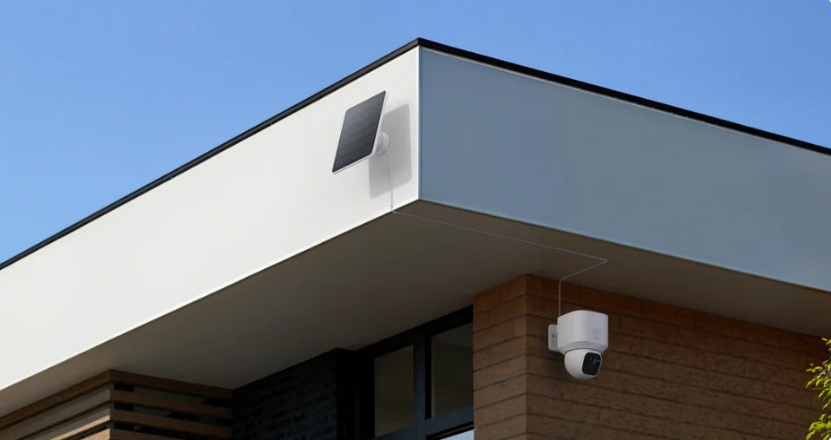
A solar-powered security camera receives electricity directly from the sun, avoiding the need to use your home’s electrical infrastructure. This independence leads to zero energy expenses after installation. The savings accumulate over time, particularly for consumers who operate many cameras on large estates. Because the camera charges by solar panel and stores energy in a rechargeable battery, there is no increase in electricity use, even with 24-hour surveillance. Users gain from long-term security without incurring continuing electricity expenditures. This solution is great for environmentally conscious homes, rental properties, or remote places, since it provides comprehensive surveillance without any hidden power expenses or pressure on energy resources.
Minimal Maintenance and Long-Term Savings
Solar-powered security cameras are designed for low-maintenance use. Once installed, they require no maintenance other than the occasional cleaning of the solar panel and frequent app checks. The rechargeable batteries are intended for long-term usage, lasting years with careful maintenance. Because the system is not dependent on grid wiring, there are fewer components that can fail or wear out. This long-term endurance translates into lower repair costs and fewer service calls. With $0 electricity payments, consumers have a cheaper total cost of ownership. For seasonal or remote properties, this dependability means you don’t have to regularly inspect or reset equipment, which saves both time and money.
No Wiring Costs or Professional Installation Fees
The wireless setup of a solar-powered security camera is one of its main cost benefits. Frequently, these cameras include all the components required for do-it-yourself installation, including screws, brackets, and detailed instructions. There is no need to employ an electrician or dig through walls because no electrical wiring is needed. Renters, chalets, and transportable properties like RVs would particularly benefit from this. All users need to do is install the camera in a bright spot, link it to cellular service or Wi-Fi, and start watching. Setup expenses are reduced by hundreds of dollars by avoiding expert labor. Solar cameras provide a plug-and-play option for quick, adaptable house or property protection without the need for wiring or trenching.
How Do Solar Security Cameras Improve Flexibility and Coverage?
Easy Installation in Remote and Off-Grid Locations
Solar-powered security cameras are perfect for locations without access to electricity. Wired systems frequently fail to reach farms, building sites, cottages, and vast rural estates. Solar energy and built-in batteries allow these cameras to function autonomously. That eliminates the need for trenching, cabling, or putting the camera near outlets. Users may remotely watch footage after mounting it and connecting via Wi-Fi or 4G LTE. The ease of assembly enables you to deploy several devices across a large region. This makes them ideal for temporary or seasonal usage, with quick movement if coverage requirements alter. Their self-sufficiency enables reliable surveillance in areas where standard systems cannot.
Wireless Design for Flexible Placement
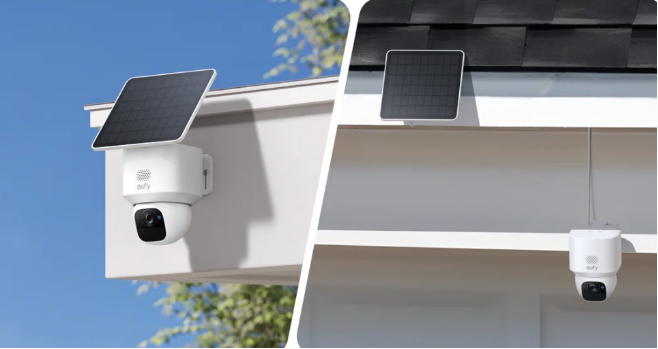
Solar security cameras do not require cables and may be installed practically anywhere with adequate sunshine exposure. This independence allows users to better regulate coverage angles, eliminate blind spots, and monitor entrance points. Whether you’re locking a shed, gate, driveway, or detached garage, you may select the optimum location—not simply one near a power outlet. Many versions have adjustable solar panels or flexible mounting choices, making it simple to maximize both sunlight intake and viewing angle. The wireless connection also improves connectivity, whether over Wi-Fi or mobile data. This flexibility enables homeowners and property managers to create smarter, more adaptable monitoring networks that are free of structural limitations.
Reliable Performance During Power Outages
Solar-powered security cameras continue to operate during power outages since they are not connected to the electrical grid. Built-in rechargeable batteries provide enough power to keep the camera operational during the night or in overcast circumstances. Solar cameras remain operational and record during situations such as storms or blackouts, while regular systems may fail. This makes them especially beneficial in disaster-prone areas or places with low electricity dependability. Many models enable local storage, which allows footage to be preserved even when the internet is offline. This ongoing protection provides peace of mind by ensuring that no vital video is lost due to external power outages or infrastructure failures.
Conclusion
A solar security camera offers major advantages in cost savings, placement flexibility, and uninterrupted protection. These cameras can decrease long-term expenditures by requiring no wiring, no monthly energy bills, and no maintenance. Their capacity to work in remote regions, adjust to changing coverage requirements, and operate during outages makes them extremely adaptable. A solar security camera provides long-term and effective surveillance for off-grid cabins, backyard sheds, and vast rural properties. By selecting the appropriate model and location, consumers obtain dependable security that is both environmentally responsible and cost-effective—without sacrificing video quality, smart features, or system durability.