
Security cameras without Wi-Fi are an effective way to monitor remote locations where internet connectivity is limited or absent. Cabins, farms, building sites, and vacation houses are generally located far from solid networks, yet they still face hazards such as theft and trespassing. Offline cameras concentrate on essential security functions, including recording, motion detection, and local storage. They function independently of routers and cloud services, providing owners greater control over their video. This article explains why distant properties benefit from no-Wi-Fi security cameras, discusses the many camera types available, and guides you through the process of selecting a system that provides consistent protection without requiring continual connectivity.
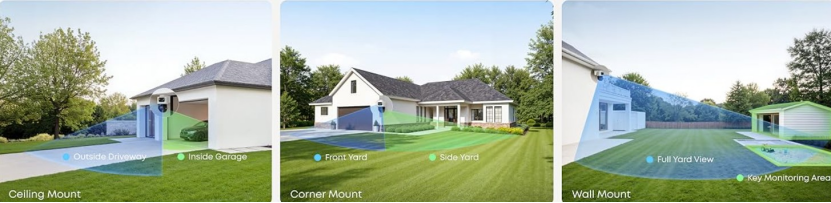
Why Do Remote Properties Need Security Cameras Without Wi-Fi?
Remote properties often lack reliable internet, making traditional smart cameras impractical. A security camera without wifi records footage locally and continues working even when networks fail. This provides continuous monitoring of isolated areas that may go unvisited for extended periods of time. These devices also increase privacy by storing film on-site rather than transferring it to the cloud. Property owners may safeguard barns, equipment sheds, and vacation houses without having to install expensive internet infrastructure. Many rural areas often experience power outages; therefore, cameras built for offline use are frequently paired with batteries or solar panels. For owners who want easy, long-lasting, and independent monitoring, cameras without Wi-Fi provide constant security in areas where linked systems cannot function successfully.
Types of Security Cameras That Work Without Wi-Fi
Cellular Security Cameras for Remote Monitoring
Instead of using Wi-Fi, cellular security cameras send data over 4G or LTE networks. They require a SIM card and a mobile data service; thus, they are ideal for distant places with cellular coverage. These cameras provide remote viewing, alarms, and cloud storage without requiring a stable internet connection. They frequently work in conjunction with batteries or solar panels to allow for more flexible deployment. Cellular cameras cost more to run owing to data expenses, but they provide real-time access that offline solutions do not. In rural or hard-to-reach areas, cellular security cameras provide a realistic mix of connectivity and independence for consumers who desire remote monitoring and notifications without establishing internet access.
SD Card and Local Recorder Camera Systems
SD card and local recorder systems save footage directly to the device or linked recorder. Standalone cameras save footage on internal or removable SD cards, whereas bigger systems employ DVRs or NVRs with hard drives. These systems do not transfer data online and operate completely offline. Users may view footage by removing the storage card or attaching the recorder to a monitor. This strategy is appropriate for situations where privacy is important or an internet connection is lacking. While users cannot watch footage remotely, these systems provide steady recording and lengthy retention when combined with a big storage capacity, making them suitable for low-maintenance monitoring.
Solar Powered Cameras for Off-Grid Properties
Solar-powered cameras are perfect for off-grid residences that lack electricity. They charge internal batteries with solar panels, allowing them to operate all day and night. Many solar models also offer SD card storage and cellular connectivity, providing owners with more options. These cameras need less maintenance since they eliminate the need for regular battery replacements and wiring. Solar cameras work effectively in isolated farms, woods, or construction sites with restricted power access. Proper positioning allows adequate sunshine for charging. When combined with motion-based recording, solar-powered cameras provide efficient and dependable monitoring while using minimal energy, making them an excellent choice for long-term security in remote areas.
How to Choose the Best No-Wi-Fi Camera for a Remote Property?
Power Supply, Battery Life, and Solar Efficiency
Power reliability is essential for remote surveillance. If frequent trips are problematic, go for a camera with a lengthy battery life. Battery capacity determines how long the system can operate between charges. Solar efficiency is considerably more important for off-grid use. High-efficiency panels and clever power management aid in maintaining constant performance during gloomy weather. Some cameras use batteries and solar panels for backup. Wired alternatives are effective when there is consistent power. Always fit the power arrangement to the location and use habits. A stable power system minimizes downtime and guarantees that the camera catches critical events without frequent intervention or unexpected shutdowns.
Storage Capacity, Access, and Footage Retrieval
Storage limits the amount of video you can store before overwriting happens. SD cards provide easy storage but have a limited capacity. DVR and NVR systems support bigger hard drives and extended retention times. Consider how frequently you can obtain footage from the premises. Some systems allow for local playing on displays, while others require the removal of storage media. Clear file arrangement based on date and motion events saves time. Choose remote storage that strikes a balance between capacity and ease of access. Reliable local storage guarantees that film is available even after lengthy periods of time without visitors or connectivity.
Durability, Weather Resistance, and Maintenance
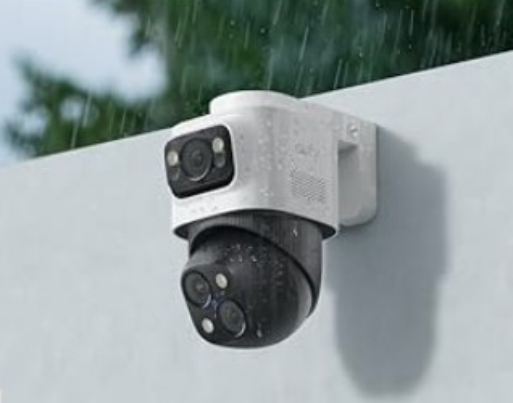
Cameras are exposed to extreme environments when in remote locations. Choose devices with high weather resistance ratings, such as IP65 or above, to withstand rain, dust, and temperature variations. Internal components are protected from wind and debris by durable housings. Maintenance requirements should be kept to a minimum, particularly for remote locations. Solar panels must be cleaned on occasion, and batteries must be checked on a regular basis. Secure mounting prevents movement and damage over time. Cameras intended for outdoor use minimize failure risk and increase longevity. Investing in tough equipment promotes continuous performance and reduces the need for frequent repairs or replacements in harsh situations.
Conclusion
Security cameras without Wi-Fi provide dependable security for isolated sites where internet connectivity is inconsistent or absent. They focus on critical features such as recording, motion sensing, and local storage while remaining independent of networks. Cellular, SD card-based, and solar-powered cameras provide property owners with a choice based on location and monitoring requirements. Choosing the proper system entails balancing power supply, storage capacity, durability, and maintenance requirements. These cameras give peace of mind for cabins, farms, and off-grid areas without requiring a sophisticated setup or incurring continuous connectivity expenditures. With correct selection and installation, a no-Wi-Fi security camera system may provide constant, long-term surveillance in even the most remote locations.