
Unexpected emergencies can disrupt power, communication, and access to basic services within minutes. Severe weather, outdoor accidents, or extended outages often leave people relying only on what they have prepared in advance. Portable technology plays a crucial role in maintaining safety, awareness, and contact with others. The right devices can provide light, energy, information, and medical support when traditional systems are unavailable. Preparation does not require complicated equipment, only thoughtful choices that match everyday needs. In this article, essential portable devices that improve safety and resilience during emergencies are explained in practical, easy-to-understand terms.
1. Reliable Power and Communication
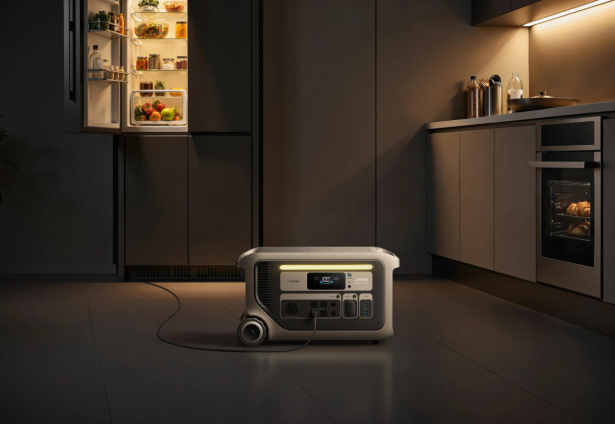
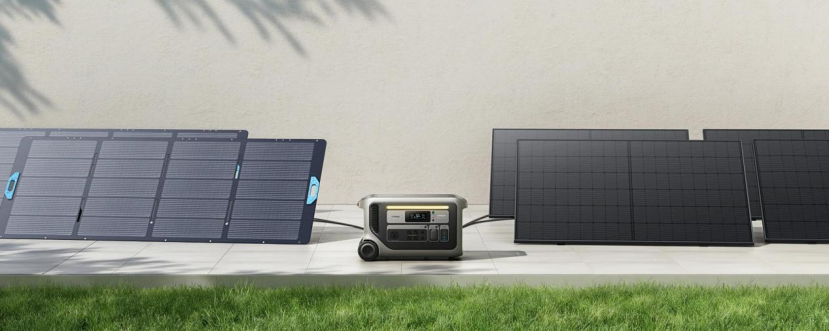
Reliable access to electricity becomes one of the most urgent needs during emergencies. Phones serve as lifelines for alerts, navigation, and contacting family members, but batteries drain quickly when networks are unstable. A compact solar power bank offers a practical way to recharge small devices when wall outlets are unavailable. Some portable energy solutions in the Anker SOLIX ecosystem are designed to store solar input efficiently and deliver steady output for phones, radios, and small lights, making them useful during extended outages. These tools work well alongside foldable solar panels, allowing energy collection during daylight and storage for nighttime use. Maintaining charged communication devices increases the ability to receive updates, request help, and stay informed.
2. Light and Navigation
Hand-Crank or Solar-Powered Flashlights and Lanterns
Portable lighting is essential when power failures occur after dark. Hand-crank and solar-powered flashlights remove the need for disposable batteries, which may be difficult to replace during emergencies. Lantern-style lights provide broader illumination for rooms or campsites, improving safety and visibility. Rechargeable options can often be topped up during the day and used throughout the night. Durable designs with water resistance are especially useful in severe weather conditions. Reliable lighting reduces injury risk and supports safe movement indoors or outdoors.
Portable GPS Devices and Emergency Radios
Navigation tools help maintain orientation when familiar routes become inaccessible. Portable GPS units work independently of mobile networks, making them valuable when signals fail. Emergency radios provide weather updates, safety instructions, and local alerts. Models with hand-crank or solar charging remain functional even during prolonged outages. Clear access to information reduces uncertainty and helps people make safer decisions. Combining navigation and communication tools improves overall emergency readiness.
3. Health and Safety Equipment
Health-related tools are vital when professional medical help may be delayed. A well-stocked first-aid kit supports treatment for minor injuries, burns, and cuts. Portable medical devices such as thermometers or blood pressure monitors can assist individuals managing chronic conditions. Compact filtration bottles or purification tablets ensure access to safe drinking water. Gloves, masks, and sanitation supplies help maintain hygiene in uncertain environments. Basic medical preparedness strengthens overall resilience during emergencies.
4. Shelter and Warmth
Lightweight Tents or Emergency Bivvies
Portable shelter provides essential protection from wind, rain, and cold. Emergency bivvy bags and compact tents are designed to be both lightweight and packable, making them easy to carry on any outing. These shelters help retain body heat and reduce exposure to harsh weather, with many bivvies featuring reflective linings that noticeably improve warmth in cold conditions. Thanks to their quick‑setup designs, you can deploy shelter rapidly when weather shifts unexpectedly. Even a minimal shelter can significantly boost both comfort and safety in unpredictable environments—whether you’re caught in a sudden downpour or need to conserve warmth overnight.
Solar-Powered or Battery-Heated Gear
Maintaining warmth is critical in cold or wet environments. Battery-heated blankets, vests, or hand warmers provide localized heat without open flames. Solar-rechargeable heating gear can be powered during daylight hours and used after sunset. Insulated clothing remains the first line of defense, but powered gear adds extra protection in extreme conditions. Safe, flameless heating solutions reduce fire risk in enclosed spaces. Combining insulation with portable heat sources improves overall survival comfort.
5. Signaling and Information Tools
Whistles, Signal Mirrors, and Personal Locator Beacons
Signaling tools help rescuers locate individuals when visibility or communication is limited. Whistles carry farther than shouting and require minimal effort. Signal mirrors reflect sunlight to attract attention over long distances. Personal locator beacons transmit emergency signals to rescue services when activated. These devices are compact yet extremely effective in remote areas. Carrying multiple signaling options increases the chance of being found quickly.
Weather Radios and Satellite Messengers
Weather conditions can change rapidly during emergencies. Weather radios provide real-time forecasts and hazard warnings. Satellite messengers allow text-based communication even when cellular networks fail. Some models include emergency SOS features that alert response centers. Access to timely information supports better planning and safer decisions. Reliable updates reduce panic and improve situational awareness.
Conclusion
Emergency preparedness focuses on maintaining safety, communication, and basic comfort during unexpected disruptions. Portable power, lighting, navigation, and medical supplies form the foundation of effective readiness. Shelter, warmth, and signaling tools further enhance resilience in difficult environments. Thoughtful selection of compact, rechargeable technology ensures longer usability when resources are limited. Practical preparation does not require large investments, only reliable tools suited to everyday life. With the right portable devices on hand, individuals are better equipped to handle emergencies calmly and effectively.